When Nogiw Rimen Fits: A Designer’s Guide to Choosing the Right Futuristic Font
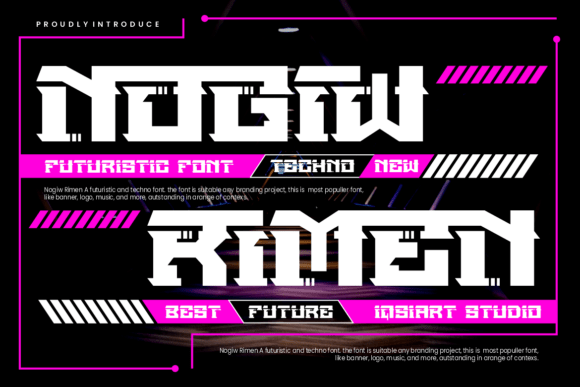
Designers seeking a typeface that captures the essence of a digital frontier often find themselves evaluating a range of futuristic fonts. Among these, Nogiw Rimen stands out as a distinctive choice. This bold, techno display font blends angular mechanics with geometric intensity, offering a visual language that resonates with cyberpunk, sci-fi, and digital-age aesthetics. Its blocky contours, sharp corners, and cut-out design elements give it a modular, almost industrial feel—ideal for branding and media that aim to project a high-tech, avant-garde identity.
What sets Nogiw Rimen apart is its deliberate emphasis on uppercase characters and neon-style accents. These features amplify its visual impact, making it especially effective for use in banners, logos, and headline statements. Unlike many display fonts that prioritize elegance or minimalism, Nogiw Rimen leans into a structured, almost mechanical rigidity. This design philosophy aligns well with industries like gaming, electronic music, virtual reality, and tech-forward branding, where a sense of energy and futurism is essential.
Comparing Nogiw Rimen with Other Futuristic Fonts
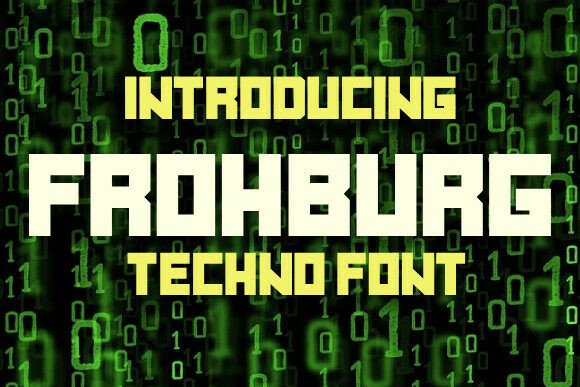
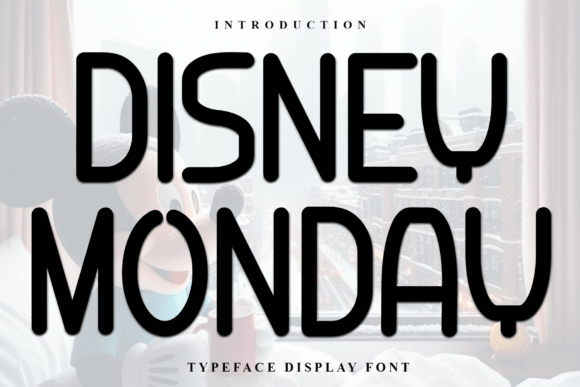
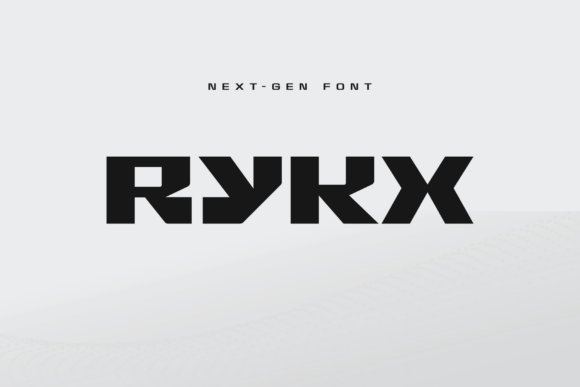
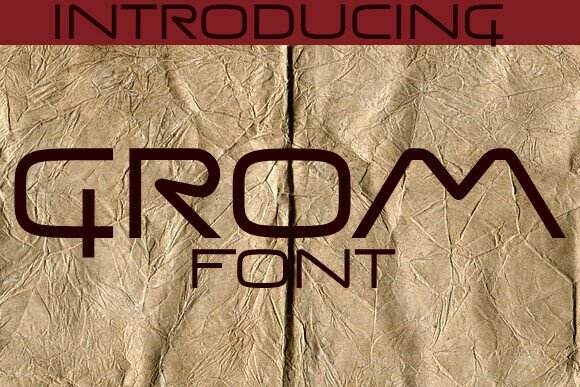
In the broader category of futuristic fonts, designers often weigh several options based on legibility, stylistic tone, and application context. Some alternatives may lean toward sleek, minimalist forms with smooth curves, while others embrace a more rugged, industrial look. Nogiw Rimen occupies a unique niche in this spectrum by combining a stencil-like modularity with aggressive angularity.
- Geometric sans-serif fonts offer clean lines and balanced proportions but may lack the dramatic flair needed for high-impact visuals.
- Stylized sci-fi fonts often focus on elongated shapes or futuristic ligatures, which can enhance thematic designs but may sacrifice readability at smaller sizes.
- Industrial or tech-inspired fonts share Nogiw Rimen’s mechanical aesthetic but may not incorporate the same level of cut-out detailing or neon influence.
Compared to these, Nogiw Rimen strikes a balance between form and function, offering a strong visual presence without veering into illegibility. Its uppercase focus makes it less suited for long-form text but highly effective in environments where typographic dominance is the goal.
Strengths and Limitations of Nogiw Rimen
One of the key strengths of Nogiw Rimen lies in its versatility within its intended domain. Whether used in a gaming logo, a music festival poster, or a tech startup’s visual identity, the font conveys a sense of forward motion and innovation. Its PUA encoding also adds a layer of accessibility, allowing designers to incorporate special characters and decorative elements without needing advanced software or technical workarounds.
However, like any specialized font, Nogiw Rimen comes with tradeoffs. Its bold, angular nature makes it less appropriate for applications requiring subtlety or readability in body text. Additionally, the font’s high visual contrast can dominate a layout, potentially overshadowing other design elements if not balanced carefully.
Designers should also consider the cultural and contextual associations of the font. While Nogiw Rimen excels in conveying a futuristic, tech-driven tone, it may not be the best fit for projects that aim for warmth, organic aesthetics, or historical references. In such cases, alternatives with softer curves or traditional serif structures might be more appropriate.
Best Use Cases for Nogiw Rimen
Nogiw Rimen shines brightest in applications where typography is meant to command attention. Some of the most effective uses include:
- Logos and brand marks for tech companies, especially those in emerging fields like AI, blockchain, or VR.
- Gaming and entertainment assets, such as title screens, promotional banners, or merchandise design.
- Electronic music branding, including album covers, event posters, and digital media.
- UI/UX design elements in futuristic interfaces, particularly where bold headers or call-to-action buttons need visual punch.
In these contexts, the font’s modular structure and neon-style accents contribute to a cohesive visual narrative. Designers can pair it with simpler, more neutral fonts in supporting roles to maintain balance and hierarchy.
When to Consider Alternatives to Nogiw Rimen
Despite its strengths, there are scenarios where Nogiw Rimen may not be the best fit. For instance, when designing for:
- Print-heavy applications where readability and ink efficiency are priorities.
- Corporate or academic branding that leans toward professionalism and tradition.
- Minimalist or clean design systems that emphasize whitespace and simplicity.
- Mobile or web interfaces requiring legibility across small screens and varying resolutions.
In such cases, designers might explore fonts with a more restrained aesthetic or those optimized for digital clarity and cross-platform consistency. The key is to match the typographic tone with the project’s broader goals and audience expectations.
Making an Informed Choice
Selecting the right font is more than a matter of visual appeal—it’s about aligning typographic choices with the message, medium, and audience. Nogiw Rimen offers a compelling option for those who need a typeface that embodies the energy and structure of a digital future. However, its effectiveness is most evident when used thoughtfully and in the right context.
Before finalizing a choice, designers should test Nogiw Rimen across different applications and compare it with other relevant fonts. Mocking up sample layouts, evaluating legibility at various sizes, and considering color contrast can all help determine whether the font supports the intended design direction.
In the end, typography is a tool—one that, when used strategically, can elevate a design from functional to unforgettable. Whether Nogiw Rimen becomes that tool depends on the specific needs of the project, the tone of the brand, and the environment in which the type will live.