Disney Monday: Choosing and Using This Playful Display Font Wisely
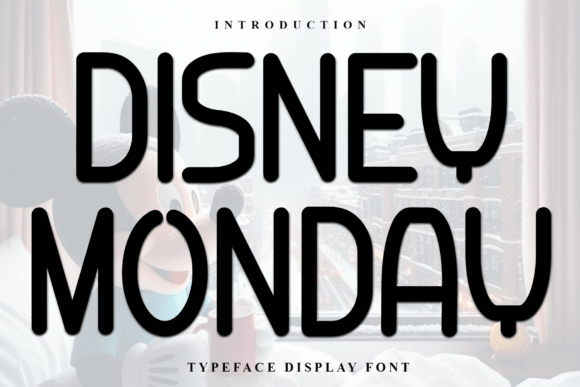
Disney Monday is more than just a catchy name — it’s a distinctive display font that blends a soft, futuristic edge with a sense of fun and whimsy. Its smooth, rounded letterforms make it a popular choice for creative projects aimed at younger audiences, cartoon branding, user-friendly tech interfaces, and eye-catching packaging designs. However, like any font, Disney Monday has its strengths — and potential pitfalls — that users should understand before diving in.
What Makes Disney Monday Stand Out?
At first glance, Disney Monday offers a fresh, energetic vibe that’s hard to ignore. Its design leans into playful curves and a slightly futuristic aesthetic, making it ideal for projects that want to feel both approachable and modern. It’s commonly used in branding for children’s products, animated media, and digital platforms where a sense of joy and simplicity is key.
Despite its name, Disney Monday isn’t officially affiliated with The Walt Disney Company. Instead, it's a font created by independent designers and made available through various font marketplaces. This distinction is important, especially for branding and licensing purposes.
Common Missteps When Using Disney Monday
Many users jump into using Disney Monday without fully considering how it fits their specific project. Below are some of the most frequent mistakes and how they can affect your work:
1. Overusing Disney Monday in Inappropriate Contexts
While Disney Monday is playful and engaging, it’s not a one-size-fits-all font. Using it in formal or professional settings — such as legal documents, academic papers, or corporate reports — can undermine the tone and credibility of your message.
Better approach: Reserve Disney Monday for contexts where a lighthearted, youthful, or creative tone is appropriate. Pair it with more neutral fonts like sans-serif body text to maintain balance and readability.
2. Ignoring Licensing Details
One of the most overlooked aspects of using any font — including Disney Monday — is understanding its licensing terms. Some versions are free for personal use but require a paid license for commercial projects. Failing to comply can lead to legal issues or unexpected costs down the line.
Better approach: Always read the license agreement before downloading or using the font. If you're unsure, reach out to the provider or choose a font from a reputable marketplace that clearly states usage rights.
3. Assuming It Works for All Age Groups
While Disney Monday is great for kids' content, it may not resonate with older audiences or those seeking a more mature tone. Using it inappropriately can unintentionally make your brand or design feel less sophisticated.
Better approach: Consider your target audience carefully. If you're designing for teens or adults, opt for a more neutral or elegant font, or use Disney Monday sparingly as an accent rather than the primary typeface.
4. Poor Readability at Small Sizes
Disney Monday shines when used at larger sizes, where its curves and soft edges are most visible. However, at smaller sizes — especially on low-resolution screens — it can become difficult to read.
Better approach: Use Disney Monday for headlines, logos, and short bursts of text. For longer paragraphs or small print, choose a more legible font designed for body text.
How to Choose the Right Version of Disney Monday
There are often multiple versions of Disney Monday available across different platforms. Not all are created equal, so it's worth taking time to evaluate which one suits your needs best.
- Check character set completeness: Make sure the version you choose includes all the characters you need, including special symbols, accents, and punctuation.
- Test for cross-platform consistency: Some fonts render differently on Mac, Windows, or mobile devices. Preview the font in your intended environment before committing.
- Look for updated versions: Font designers often release updates that improve spacing, clarity, or compatibility. Always check for the most recent version available.
Pairing Disney Monday with Other Fonts
One of the best ways to use Disney Monday effectively is to pair it with complementary fonts. Done right, this creates visual harmony and improves overall readability.
Avoid: Combining Disney Monday with other overly decorative fonts, which can lead to a cluttered look.
Try: Pairing it with clean, modern sans-serif fonts like Helvetica, Arial, or Montserrat for a balanced design that’s both fun and professional.
Where to Download Disney Monday Safely
When downloading Disney Monday, always use trusted sources. Free font sites can sometimes bundle downloads with unwanted software or offer outdated or incomplete versions.
Recommended platforms:
- DaFont – Offers a wide selection of display fonts, including Disney Monday, with user reviews and clear licensing.
- Font Squirrel – Known for vetting fonts for quality and licensing compliance.
- MyFonts – A commercial font marketplace with professional-grade versions of many popular display fonts.
Final Tips for Getting the Most from Disney Monday
Disney Monday can be a powerful design tool when used thoughtfully. Here are a few final reminders to help you avoid common issues and make better design decisions:
- Test in context: See how Disney Monday looks on your final output — whether that’s a printed label, a website, or a mobile app — before finalizing your design.
- Don’t ignore spacing: Disney Monday’s rounded shapes can create tighter visual spacing than expected. Adjust tracking or kerning if needed to improve readability.
- Consider accessibility: Ensure that text using Disney Monday has sufficient contrast and size for users with visual impairments.
Wrapping Up
Disney Monday is a fun, versatile font that brings a sense of joy and modernity to the right kind of project. But like any creative tool, it works best when matched to the right context and used with care. By avoiding common mistakes — from licensing missteps to inappropriate use — you can ensure your design not only looks great but communicates effectively with your audience.