Jelly Bubbles: A Playful Font with Practical Potential
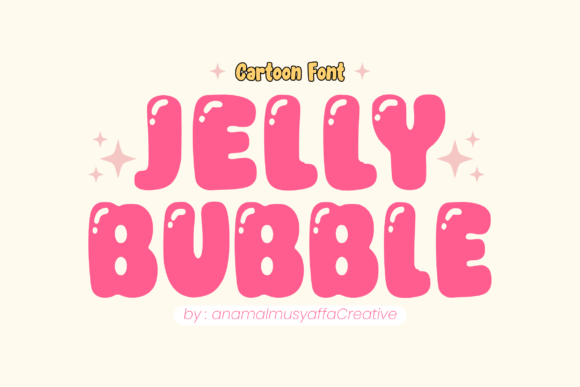
Typography plays a vital role in design, and Jelly Bubbles stands out as a font that blends fun with functionality. This contemporary Bubble font brings a whimsical yet professional tone to a variety of creative projects. Whether you're crafting a t-shirt design, animating a digital title, or preparing a lighthearted marketing campaign, Jelly Bubbles offers a unique visual appeal that can elevate your work.
Understanding Jelly Bubbles: What Makes It Special
At first glance, Jelly Bubbles may seem like just another playful font, but its design is carefully balanced to avoid being overly childish or cartoonish. The rounded, bubbly characters convey a sense of joy and approachability, making it ideal for designs aimed at younger audiences or for brands that want to project a friendly image.
It’s particularly popular in sublimation printing for items like mugs, tote bags, and t-shirts, where a soft, animated look enhances the product’s appeal. Digital artists and comic creators also appreciate how it adds a dynamic flair to titles and speech bubbles without compromising readability.
Common Mistakes When Choosing and Using Jelly Bubbles
Despite its charm, many users fall into traps that diminish the font’s effectiveness. Here are some common pitfalls and how to avoid them:
1. Misjudging the Context
One of the most frequent errors is using Jelly Bubbles in overly formal or serious contexts. While it’s versatile, it’s not suited for legal documents, academic papers, or corporate branding materials. The font’s playful nature can unintentionally undermine the message's gravity.
Better approach: Use Jelly Bubbles for branding, packaging, or promotional materials where a cheerful tone aligns with your message. It shines in children’s products, food packaging, and lifestyle branding.
2. Overusing It in Complex Layouts
Another common issue is applying Jelly Bubbles across entire designs without considering visual hierarchy. Using it for every text element—headings, body text, captions—can create a cluttered and unprofessional look.
Better approach: Reserve Jelly Bubbles for headlines or accents. Pair it with simpler sans-serif fonts like Arial or Helvetica for body text to maintain balance and readability.
3. Ignoring Licensing Details
Some designers download the font from unverified sources, only to later discover that the license doesn’t permit commercial use. This can lead to legal complications, especially for small business owners or freelancers using it in client work.
Better approach: Always check the licensing terms before downloading or purchasing. Buy from reputable font marketplaces like MyFonts, Creative Market, or Adobe Fonts to ensure compliance and quality.
4. Neglecting Kerning and Spacing
Due to its rounded, bubbly style, Jelly Bubbles may require manual adjustments to spacing and kerning, especially at larger sizes. Failing to do so can result in awkward gaps between letters, affecting legibility and aesthetics.
Better approach: Take time to fine-tune the spacing, especially in logos or printed products. Use design software that allows for precise adjustments, like Adobe Illustrator or Photoshop.
What to Check Before Downloading or Buying Jelly Bubbles
Before committing to Jelly Bubbles, consider the following factors to ensure it’s the right fit for your project:
- Character Set: Confirm that the font includes uppercase and lowercase letters, numbers, and special characters you might need.
- Language Support: If your project includes non-English text, check if the font supports those languages.
- File Format: Make sure it’s available in a format compatible with your design software (e.g., .ttf, .otf).
- Usage Rights: Read the license carefully—especially if you're using it for resale items or client work.
How to Maximize the Value of Jelly Bubbles
To get the most out of this bubbly font, follow these practical tips:
- Test It First: Use online font preview tools to see how it looks with your content before purchasing.
- Pair Thoughtfully: Combine with clean, modern fonts to maintain a professional balance.
- Limit Its Use: Apply it to one or two key elements in your design to preserve visual clarity.
- Adjust for Output: If printing on fabric or other textured surfaces, test how the font appears in different sizes and colors.
Real-World Examples of Jelly Bubbles Done Right
Here are a few creative applications that showcase Jelly Bubbles at its best:
- Custom T-Shirts: A boutique clothing brand used the font for a “Candy Crush” themed collection, pairing it with pastel colors for a soft, playful look.
- Comic Titles: An independent comic artist used Jelly Bubbles for the title of a lighthearted adventure series, giving it a whimsical yet professional finish.
- Children’s Book Covers: A self-published author used the font for a book series aimed at early readers, creating a fun and engaging cover that appeals to both kids and parents.
Conclusion: A Font That Balances Fun and Function
Jelly Bubbles is more than just a cute font—it’s a design tool that, when used thoughtfully, can enhance the visual appeal of your creative work. By avoiding common mistakes and making informed decisions about its use, you can ensure that your designs are both attractive and effective. Whether you're a hobbyist, entrepreneur, or professional designer, this bubbly font offers a versatile and expressive option for your next project.