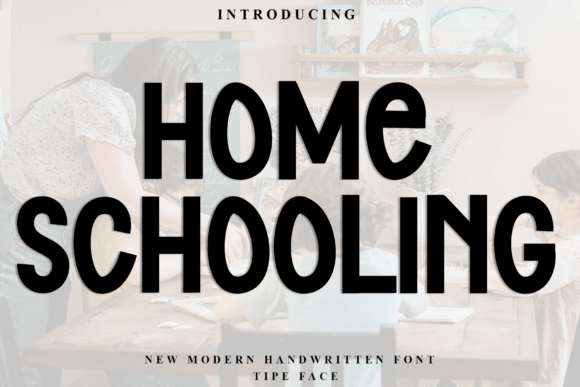
Home Schooling: A Playful Font for Creative Projects
What Makes Home Schooling Unique?
Home Schooling is a casual, hand-drawn font that radiates warmth and approachability. Its rounded, friendly strokes make it ideal for designs that need a personal, creative touch. Whether you're crafting social media graphics, invitations, or branding for a small business, this font adds a sense of playfulness without sacrificing readability.
Designed with a charming, informal aesthetic, Home Schooling works well in both digital and print formats. It’s equipped with standard PUA-encoded glyphs, making it compatible with Adobe Photoshop, Illustrator, Corel, Canva, and more. This flexibility allows creators to integrate the font seamlessly into a wide range of projects.
Creative Uses for Home Schooling
One of the best ways to use Home Schooling is in personal or small-scale design work. Here are a few ideas to spark your creativity:
- Event invitations: Baby showers, birthday parties, or casual meetups benefit from its warm, inviting look.
- Children's content: Whether it's a book, blog, or educational app, this font feels natural and engaging for younger audiences.
- Social media posts: Use it to add personality to quotes, stories, or promotional graphics for small businesses or creative accounts.
- Logo design: For brands that want to feel fun, approachable, and community-focused, this font can be the centerpiece of a custom logo.
Pairing Home Schooling With Other Fonts
To keep your design balanced and visually engaging, pair Home Schooling with clean, minimalist fonts. Sans-serif fonts like Montserrat, Lato, or Open Sans provide a modern contrast that helps the playful letterforms stand out without overwhelming the layout.
For example, use Home Schooling for headlines or callouts and a simple sans-serif for body text. This combination works especially well in blog graphics, flyers, or website banners where clarity and charm are both important.
Who Can Benefit From Using Home Schooling?
Home Schooling appeals to a broad audience of creators and professionals. Here’s how different users can apply it effectively:
Designers and Illustrators
For visual artists, this font adds a personal, handcrafted feel to illustrations, posters, and editorial layouts. It pairs beautifully with watercolor textures, doodles, and soft backgrounds, making it a go-to for whimsical, expressive designs.
Bloggers and Content Creators
If you're creating graphics for Instagram, Pinterest, or blog headers, Home Schooling brings a sense of warmth and authenticity. It helps your content feel more human and less corporate, which is ideal for lifestyle, parenting, or DIY niches.
Small Business Owners and Entrepreneurs
Brands that want to feel friendly and community-focused can use this font across packaging, signage, or digital ads. It works especially well for coffee shops, boutiques, local services, or handmade product labels.
Educators and Homeschooling Parents
Teachers and parents designing materials for young learners can benefit from the font’s clarity and gentle appearance. It’s easy to read and feels less intimidating than rigid, formal fonts, making it a great choice for worksheets, flashcards, or learning posters.
How to Use Home Schooling Effectively
While Home Schooling is versatile, it’s important to use it thoughtfully to maintain clarity and professionalism. Here are a few tips:
- Avoid long blocks of text: This font shines best in short, impactful text like headlines, captions, or quotes.
- Use consistent spacing: Adjust letter and line spacing to ensure readability, especially in multi-line text.
- Stick to one or two font styles: Don’t mix too many different fonts with Home Schooling. Keep the design clean and focused.
- Test on different platforms: Preview your design on mobile and desktop to ensure it looks good across formats.
- Limit color contrast: Use soft or muted tones for a cohesive, friendly look, or go bold for standout headlines.
Customizing Home Schooling for Your Needs
Because it’s PUA encoded, you can access special characters and alternate glyphs in most design software. This allows for creative customization—like adding stylistic flourishes or changing letter shapes for a more unique look.
Try using it in a layered design with hand-drawn icons or brush strokes to enhance the organic feel. You can also animate it in digital projects for a more dynamic effect, especially in short-form video content or interactive web elements.
Real-World Examples and Inspiration
Here are a few practical examples of how to incorporate Home Schooling into your next project:
- Instagram Story Template: Use the font for a “Monday Motivation” quote overlay. Pair it with pastel backgrounds and soft brush textures for a calming, inviting look.
- Printable Planner: Design a weekly planner page with Home Schooling used for headers and notes sections. Its rounded edges make it easier on the eyes than sharper, more rigid fonts.
- Children’s Book Title: If you're self-publishing a picture book, use this font for the title and chapter headings to create a warm, engaging tone.
- Local Business Signage: A small bakery might use Home Schooling for a “Welcome” sign or menu board to give the space a cozy, inviting atmosphere.
Final Thoughts
Home Schooling is more than just a playful font—it’s a versatile tool that brings warmth and personality to your creative work. Whether you're designing for print, digital, or personal use, it offers a friendly aesthetic that resonates with a wide audience.
By understanding how to pair it, customize it, and apply it thoughtfully, you can elevate your designs without losing clarity or professionalism. So next time you're working on a project that needs a little extra charm, consider giving Home Schooling a try—it might just be the perfect fit.