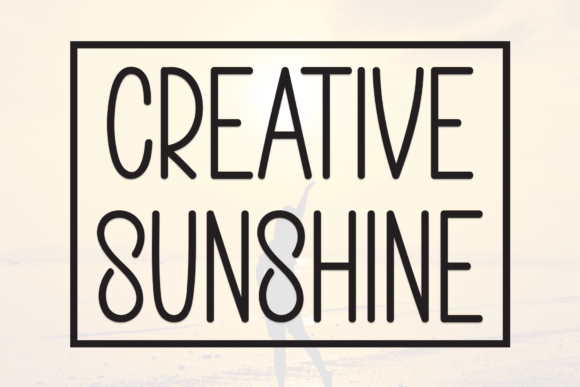
White Bunny: A Playful Handwritten Font for Creative Projects
Understanding White Bunny’s Unique Appeal
White Bunny stands out as a distinctive handwritten display font, crafted with a blend of tenderness and whimsy. Its design evokes a sense of warmth and approachability, making it a compelling choice for designers seeking to inject personality into their work. Unlike many standard fonts that prioritize uniformity and formality, White Bunny embraces irregularity and charm, positioning itself as a versatile tool for creative expression.
The font’s character stems from its hand-drawn aesthetic, which feels personal and authentic. Each letter carries subtle variations that mimic natural handwriting, offering a humanized touch that resonates particularly well in designs meant to feel intimate or emotionally engaging.
Key Features and Design Strengths
- Handwritten Authenticity: White Bunny’s strokes and curves reflect the imperfections of real handwriting, enhancing its organic appeal.
- Playful Whimsy: The font’s slight bounce and rounded edges lend a sense of fun and lightheartedness without veering into childishness.
- Amiable Tone: Its softness and readability make it suitable for content that needs to feel warm and inviting.
- Versatile Styling: Despite its decorative nature, White Bunny maintains clarity at larger sizes, making it effective for headlines, titles, and short bursts of text.
These characteristics combine to create a font that is both expressive and functional. It doesn’t sacrifice legibility for charm, which is a critical balance for any display font aiming to serve both aesthetic and communicative purposes.
Practical Applications and Audience Fit
White Bunny shines brightest in contexts where a personal, handcrafted feel is desired. It works exceptionally well for:
- Wedding invitations and related stationery
- Greeting cards and personal correspondence
- Branding for boutique businesses, especially in lifestyle, wellness, or children’s niches
- Social media graphics and blog headers seeking a soft, approachable tone
Professionals such as graphic designers, wedding planners, small business owners, and content creators targeting a warm, feminine, or nostalgic audience may find White Bunny particularly effective. It can serve as a unifying design element that enhances brand personality or event theming.
Usability and Real-World Performance
When evaluating White Bunny for practical use, several factors come into play. From a usability standpoint, the font performs best when used intentionally rather than extensively. Due to its decorative nature, it’s not ideal for long paragraphs or body text but excels in headings, logos, and accent text where visual impact is key.
In real-world design scenarios, White Bunny holds up well across both digital and print mediums. When used in high-resolution formats, its strokes remain crisp without jagged edges. It scales effectively for larger applications like posters or banners, though care should be taken to ensure contrast and readability when placed over textured or complex backgrounds.
Quality and Consistency Across Use Cases
One of the font’s strengths lies in its consistent character spacing and alignment, which contributes to a polished final appearance. While many handwritten fonts can feel erratic or uneven, White Bunny maintains a level of refinement that makes it suitable for professional use when applied appropriately.
Designers will appreciate that it includes a standard set of uppercase and lowercase letters, numerals, and punctuation, allowing for broader application across different design elements. However, those needing multilingual support or extended glyph sets may need to verify compatibility before committing to the font for international or highly specialized projects.
Professional Observations and Recommendations
From a design workflow perspective, White Bunny integrates smoothly into most major design software, including Adobe Illustrator, Photoshop, and Canva. It pairs well with clean sans-serif fonts for contrast, or with other hand-drawn elements to maintain a cohesive theme.
For best results, consider using White Bunny in:
- Branding materials for cafes, florists, or lifestyle brands
- Personalized gifts or custom packaging with a boutique feel
- Editorial design where a softer tone enhances reader engagement
That said, it’s important to consider the audience and context. While White Bunny’s charm is undeniable, it may not align with brands or projects seeking a bold, modern, or minimalist aesthetic. Overuse or inappropriate application could lead to a design feeling overly cutesy or unprofessional.
Long-Term Value and Design Sustainability
Fonts with a strong personality can sometimes feel dated quickly, but White Bunny’s balanced design gives it a degree of timelessness. Its whimsical yet restrained nature allows it to remain relevant across seasons, especially in niche markets where a handcrafted look continues to resonate.
For creatives building a font library, White Bunny offers solid long-term value when used as a specialty font rather than a daily staple. It’s not a replacement for more neutral or structured typefaces but serves as a valuable accent option in a well-rounded toolkit.
Final Thoughts: Who Should Consider White Bunny?
If you're working on a design project that benefits from a warm, personable tone and a touch of playfulness, White Bunny is worth exploring. It’s particularly well-suited for those in event planning, boutique branding, editorial design, and digital content creation who want to differentiate their visual style without compromising readability.
Before integrating it into your project, test it in context. Preview how it appears alongside your color scheme, layout, and supporting fonts. When used thoughtfully, White Bunny can elevate your design from ordinary to memorable—without sacrificing professionalism or clarity.