Exploring the Creative Potential of Handmade Signature in Design Projects
Typography plays a pivotal role in shaping the tone and personality of visual communication. Among the many fonts available to designers today, Handmade Signature stands out for its distinct character and expressive warmth. As a handwritten display font, it brings a personal, organic touch to any design, making it a compelling choice for creators who want to convey authenticity and emotion through their work.
Understanding the Characteristics of Handmade Signature
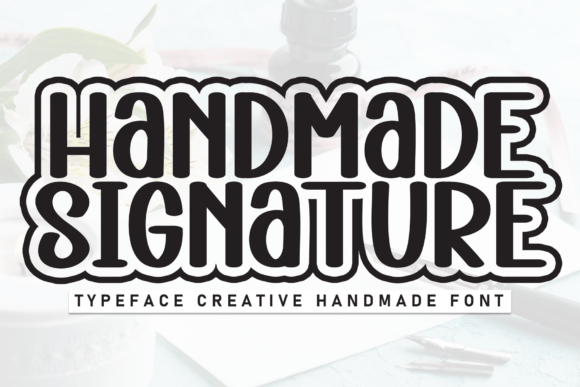
At its core, Handmade Signature mimics the natural flow of handwriting, complete with subtle imperfections and fluid strokes that evoke a sense of individuality. Unlike rigid, machine-generated fonts, this typeface embraces variation and texture, offering a more human and approachable aesthetic. Its PUA encoding ensures that users have access to every glyph and swash, allowing for greater flexibility and customization in design workflows.
The font’s structure is intentionally crafted to reflect the nuances of real penmanship. It features flowing ligatures, decorative flourishes, and slight inconsistencies in stroke weight that contribute to its charm. These elements combine to create a sense of movement and liveliness, making Handmade Signature ideal for designs that aim to feel personal and expressive.
Practical Applications Across Design Disciplines
One of the most appealing aspects of Handmade Signature is its versatility across a wide range of design applications. From print to digital media, this font adapts well to various contexts while maintaining its unique appeal. Below are some of the most common use cases where this typeface shines:
- Wedding Invitations: The soft, elegant curves of Handmade Signature make it a favorite among designers creating wedding stationery. It adds a romantic and intimate feel to invitations, RSVP cards, and thank-you notes.
- Handmade Greeting Cards: Whether for birthdays, baby showers, or holiday greetings, this font enhances the warmth and sincerity of personal messages.
- Logo Design: Brands that want to project a friendly, approachable image can incorporate Handmade Signature into their logos, especially in niches like lifestyle, wellness, and artisanal products.
- Social Media Graphics: Content creators and influencers often use this font to add a personal touch to Instagram stories, Pinterest boards, and blog headers.
- Children’s Book Illustrations: The playful and whimsical nature of the font complements illustrations in children’s literature, making text more engaging for young readers.
Why Designers Choose Handmade Signature
While there are countless handwritten fonts available, Handmade Signature distinguishes itself through a combination of aesthetics, usability, and emotional resonance. Here are some of the key reasons why it has gained popularity among designers and content creators:
- Emotional Impact: Handwriting is inherently personal. Using a font like Handmade Signature can evoke feelings of sincerity, warmth, and nostalgia, making messages more relatable to the audience.
- Visual Appeal: The font’s natural flow and decorative elements add visual interest without overwhelming the design. It strikes a balance between elegance and playfulness, making it suitable for both formal and casual contexts.
- Customization Options: Thanks to PUA encoding, users can access alternate characters, ligatures, and swashes easily within design software. This level of customization allows for unique typographic treatments that stand out.
- Brand Differentiation: In a world where many digital designs rely on standard fonts, using Handmade Signature helps brands carve out a distinctive visual identity that feels handcrafted and authentic.
Considerations for Effective Use
While Handmade Signature offers many creative possibilities, it's important to use it thoughtfully to ensure readability and design harmony. Here are some practical tips for incorporating this font into your projects:
- Pair with Complementary Fonts: Since Handmade Signature is a display font, it works best when paired with a clean, legible sans-serif or serif font for body text. This contrast ensures visual balance and readability, especially in longer compositions.
- Use Sparingly: Overusing decorative fonts can lead to cluttered designs. Reserve Handmade Signature for headlines, quotes, or accent text rather than large blocks of content.
- Test for Legibility: Always preview the font at different sizes and in various contexts. While it’s beautiful at larger sizes, it may become difficult to read in small print or on low-resolution screens.
- Ensure Licensing Compliance: Before using Handmade Signature commercially, verify the font’s licensing terms to avoid legal issues, especially when distributing work across multiple platforms or mediums.
Real-World Examples and Observations
Across the design world, Handmade Signature has been embraced by professionals and hobbyists alike. For instance, many small business owners use it in their packaging and branding materials to create a sense of craftsmanship and personal care. In the realm of digital marketing, bloggers and social media managers often incorporate the font into their visual content to convey a friendly and approachable tone.
In the educational sector, teachers and curriculum designers have also found creative ways to use the font in worksheets, classroom posters, and student certificates. Its legibility and engaging appearance help maintain student interest, particularly in younger age groups where visual appeal plays a significant role in learning engagement.
Comparing Handmade Signature to Other Handwritten Fonts
While there are many handwritten fonts on the market, not all offer the same level of charm and flexibility as Handmade Signature. Compared to more rigid or overly stylized fonts, it maintains a natural, effortless look that feels less contrived. It also outperforms many alternatives in terms of glyph coverage and stylistic options, giving designers more creative freedom without sacrificing usability.
Some fonts may prioritize aesthetics at the expense of legibility, but Handmade Signature manages to strike a balance. It retains clarity even when used in moderately complex compositions, making it a reliable choice for both print and digital applications.
Conclusion
In a digital age where design trends often lean toward minimalism and precision, Handmade Signature serves as a refreshing reminder of the beauty found in imperfection and human touch. Whether you're crafting a heartfelt greeting card, designing a brand logo, or creating engaging digital content, this font offers a unique way to infuse personality and warmth into your work.
By understanding its strengths and using it thoughtfully within your design projects, you can harness the full potential of Handmade Signature—transforming the ordinary into something truly memorable and expressive.