Shirataki: A Stylish Faux-Asian Font for Creative Design Projects
Understanding Shirataki and Its Design Intent
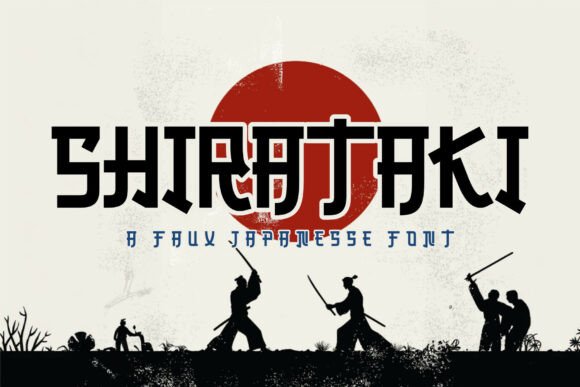
Shirataki is a visually striking faux-Japanese display font crafted for creative professionals who want to infuse East Asian aesthetics into their designs without using actual kanji or hanzi characters. It’s not a linguistic tool, but rather a visual one—offering bold strokes, clean contours, and a stylized rhythm that mimics the structure of traditional Asian scripts. This makes it especially useful for projects where cultural ambiance matters more than literal meaning.
Key Characteristics That Set Shirataki Apart
What makes Shirataki stand out is its ability to evoke the essence of East Asian typography without requiring language-specific knowledge. Its design features include:
- Bold, structured strokes that resemble modern kanji or calligraphic elements
- Clean, geometric shapes that enhance legibility in display settings
- Stylistic alternates for flexible composition in both horizontal and vertical layouts
- Multilingual support that blends faux-Asian glyphs with standard Latin characters
This combination allows Shirataki to function effectively in bilingual or globally oriented design projects while maintaining a strong thematic presence.
Practical Use Cases and Industry Applications
Shirataki shines in creative contexts where visual impact and thematic consistency are key. Here are several practical applications where this font can deliver strong results:
- Restaurant and food branding – Especially for Asian-inspired eateries looking to convey authenticity without literal translation
- Movie and game title design – Ideal for creating cinematic or immersive visuals that suggest an East Asian setting
- Event posters and promotional materials – Works well in layouts that benefit from bold, stylized typography
- Product packaging and merchandising – Adds a cultural touch to items like tea, apparel, or collectibles
Its versatility also makes it suitable for digital design, motion graphics, and print media where thematic depth enhances visual storytelling.
How Shirataki Performs in Real-World Design Scenarios
In practice, Shirataki performs best as a display font. It’s not intended for body text, but rather for headlines, logos, and visual accents where a strong cultural or artistic impression is desired. Designers who have used Shirataki in branding and packaging projects report that it adds a unique flair without overwhelming the design.
For example, a designer working on a fictional game set in a stylized version of feudal Japan might use Shirataki for title cards and in-game signage. The font contributes to the setting without requiring actual Japanese characters, which could be confusing or misinterpreted by non-native audiences.
Usability and Integration with Other Design Elements
One of Shirataki’s strongest features is its compatibility with Latin-based typography. Designers can pair it with clean sans-serif or serif fonts to create a balanced hierarchy. The font’s multilingual support means it can be used in global projects without the need for character substitution or fallback fonts.
However, it’s important to note that Shirataki should be used thoughtfully. Because of its stylized nature, it may not be suitable for all audiences or contexts. For instance, using it in formal academic or legal documents would be inappropriate. Its strength lies in creative, thematic applications where visual storytelling is the primary goal.
Quality and Technical Considerations
From a technical standpoint, Shirataki is well-constructed. The font includes multiple stylistic alternates, which allow for customization in layout design. Kerning and spacing are consistent, especially in larger point sizes, contributing to its readability in titles and headers.
That said, like many display fonts, Shirataki loses clarity at smaller sizes. It’s best used at 24pt or larger, especially in print or high-resolution digital formats. For digital use, ensure that the target platform supports OpenType features to fully utilize its stylistic options.
Who Benefits Most from Shirataki?
Shirataki is particularly valuable to:
- Graphic designers working on East-Asian-inspired branding or illustration projects
- Game developers seeking stylized typography for world-building and environmental design
- Marketing professionals creating campaigns for food, fashion, or entertainment industries with an Asian aesthetic
- Independent creators such as bloggers or YouTubers who want to enhance their visual identity with thematic fonts
If your project needs a bold, stylized font that suggests East Asian culture without relying on actual language, Shirataki is a strong candidate.
Limitations and Considerations
While Shirataki is visually compelling, it’s not without limitations. Because it’s not based on real language scripts, it may not be appropriate for projects that require cultural authenticity or historical accuracy. Additionally, overuse or misuse can lead to visual clutter or misinterpretation, especially in multicultural contexts.
Designers should also be aware of potential typographic fatigue—using too many stylized fonts in a single layout can dilute brand clarity. Shirataki works best when used sparingly and in combination with more neutral typefaces that provide contrast and balance.
Final Thoughts: When Shirataki Makes Sense
Shirataki is a smart choice for creative professionals who want to add a distinctive East Asian visual element to their work without linguistic constraints. Its bold structure, multilingual support, and stylistic flexibility make it a versatile tool in the designer’s toolkit.
Whether you're designing a restaurant menu, a cinematic title sequence, or a themed game interface, Shirataki offers a compelling way to enhance visual storytelling. As with any design asset, its value lies in how thoughtfully and appropriately it’s applied. For projects that benefit from thematic depth and visual intrigue, Shirataki delivers a strong return on creative investment.