Winder: A Strategic Typeface for Confident, Purpose-Driven Design
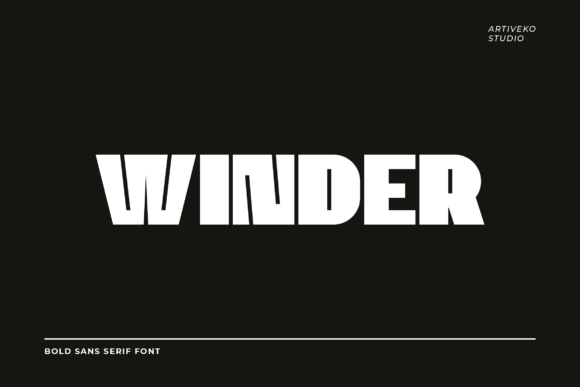
Typography is more than just choosing a font—it’s about making intentional design decisions that align with your brand’s voice, audience, and goals. Winder, a bold sans display typeface, offers a unique combination of strength, clarity, and modernity. Its powerful letterforms and sharp lines are crafted to command attention without sacrificing readability. Whether you're building a brand identity, designing marketing materials, or crafting digital experiences, Winder can serve as a visual anchor that reinforces authority and clarity.
Why Winder Stands Out in Strategic Design
In a landscape where visual communication is increasingly fast-paced and competitive, standing out matters. Winder’s design is both modern and timeless—its balanced proportions ensure it remains effective across different applications, from print to screen. Unlike more generic sans-serif fonts, Winder doesn’t just deliver information—it shapes how that information is perceived. Its assertive presence makes it ideal for situations where confidence and clarity are key, such as branding for high-performance industries, editorial headlines, and sports-related visuals.
From a strategic perspective, Winder helps align visual tone with messaging. If your brand communicates strength, innovation, or boldness, Winder supports that narrative without needing additional visual cues. This kind of alignment between typography and brand values reduces cognitive friction for your audience and reinforces consistency in your messaging.
Use Cases That Benefit from Winder’s Visual Authority
- Branding and Identity Systems – Winder works well for logo design, especially for brands in fitness, technology, and high-performance sectors where boldness and clarity are central to the brand personality.
- Editorial and Digital Headlines – Its legibility at large sizes makes Winder an excellent choice for impactful headlines in digital publications and content platforms.
- Posters and Promotional Materials – When you need to grab attention quickly, Winder’s strong presence ensures your message is seen and understood at a glance.
- Sports and Apparel Design – The font’s clean, energetic lines complement athletic branding, uniforms, and merchandise where bold, legible type is essential.
Planning with Winder: Strategic Considerations
Using Winder effectively requires more than just selecting it from a font menu. Strategic typography involves understanding the context, audience, and purpose of your design. Here are some practical planning tips to help you integrate Winder into your creative workflow:
- Define the Emotional Tone – Winder conveys strength and clarity. Ensure that tone aligns with your brand’s personality and the message you want to communicate.
- Test Across Mediums – While Winder performs well in display settings, test how it looks in different applications—especially at smaller sizes or on low-resolution screens.
- Pair Thoughtfully – Winder is a strong lead typeface. Pair it with more neutral fonts in body copy or supporting text to maintain visual hierarchy and readability.
- Consider Long-Term Branding Impact – Typography plays a role in long-term brand recognition. Choose Winder if it supports your brand’s visual language over time, not just for short-term novelty.
When to Use Winder—and When to Avoid It
Winder shines in contexts where boldness and clarity are needed. However, it’s not a one-size-fits-all solution. Avoid using Winder in long-form body text or in contexts where subtlety and softness are preferred. It’s best reserved for headlines, titles, and visual elements where its presence can be leveraged without overwhelming the viewer.
Additionally, if your brand leans toward a minimalist or warm, approachable tone, Winder may not be the best fit. Always consider the emotional and functional role of typography in your overall design strategy.
Integrating Winder into Your Design Workflow
Adopting Winder into your design system should be part of a broader strategic approach to typography. Start by evaluating how your current visual language supports your brand’s goals. Then, consider how Winder might enhance or evolve that language. Here are a few steps to guide your integration:
- Start with Mockups – Try Winder in real-world mockups before committing to it across all brand materials.
- Establish Usage Guidelines – Create internal or client-facing style guides that define when and how Winder should be used, including pairing fonts, spacing, and color treatments.
- Test for Accessibility – Ensure that Winder maintains legibility across different devices and screen sizes, especially when used in digital interfaces.
Potential Risks of Misusing Winder
Like any powerful design tool, Winder can be misused if applied without clear intent. Overusing it in inappropriate contexts—such as body text or in designs that require a softer tone—can lead to visual fatigue or misaligned messaging. Additionally, using Winder without considering its impact on brand consistency can dilute your visual identity over time.
Design decisions should always serve a purpose. If Winder is chosen simply because it looks “cool” without consideration for how it supports your brand’s strategic direction, it becomes a design choice rather than a strategic one. This can lead to inconsistent visuals, confused messaging, and weaker audience engagement.
Strategic Typography: Making Better Decisions with Winder
Typography is a form of communication. When you choose Winder, you’re not just selecting a font—you’re making a statement about your brand’s confidence, clarity, and direction. To use Winder strategically, always ask: Does this typeface support the message? Does it align with the brand’s tone and goals? Will it enhance the user experience rather than distract from it?
By answering these questions thoughtfully, you can ensure that Winder becomes a valuable part of your visual strategy rather than a random design choice. Think of it as a tool for reinforcing your brand’s authority and presence in a visually saturated world.
Long-Term Value of a Thoughtful Typeface Strategy
Design decisions made today have long-term implications. A well-chosen typeface like Winder can contribute to consistent branding, improved audience recognition, and stronger visual communication over time. As your brand evolves, your typography should evolve with it—but always with intention and clarity.
Investing time in understanding and applying Winder correctly ensures that your design work supports your broader business and creative goals. Whether you're crafting a digital campaign, designing a product label, or developing a brand identity, Winder offers a powerful visual language that can elevate your work when used with purpose.