Torn Paper: A Strategic Tool for Creative Expression and Brand Impact
Understanding the Torn Paper Font and Its Strategic Value
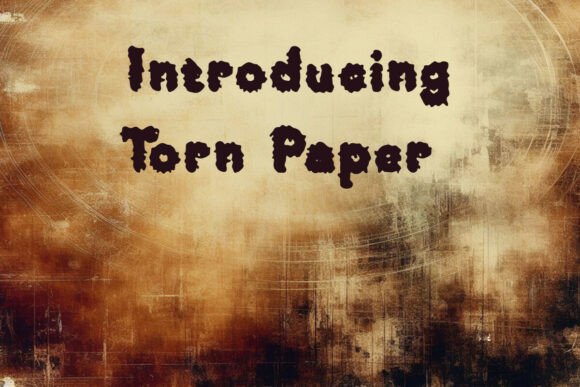
The Torn Paper font is more than a design choice—it's a deliberate creative decision that can influence how your message is perceived. With its modern edge and tactile texture, this font evokes a sense of authenticity and raw creativity. It mimics the look of hand-torn paper, offering a visual contrast to sleek digital fonts. For creators, marketers, and entrepreneurs, Torn Paper provides a way to stand out in a saturated visual landscape while maintaining a sense of craftsmanship.
Strategically, the Torn Paper font supports branding efforts that aim to convey creativity, originality, and a hands-on approach. Whether you're designing a product label, crafting a social media post, or creating a limited-edition poster, this font helps communicate a narrative of intentionality and artistic integrity.
How Torn Paper Enhances Creative Projects
When used thoughtfully, the Torn Paper font can elevate the impact of various creative outputs:
- T-shirt designs: Adds a dynamic, edgy aesthetic that appeals to younger audiences and niche markets.
- Stickers and decals: Brings a tactile, handcrafted feel that resonates with indie brands and creative entrepreneurs.
- Magazines and greeting cards: Transforms standard layouts into expressive, artistic pieces that stand out on shelves or in digital feeds.
- Branding materials: Reinforces a brand's commitment to authenticity and creative expression.
Its versatility makes it a valuable asset for those looking to infuse personality into their designs without sacrificing professionalism.
When and How to Use Torn Paper Effectively
While the Torn Paper font is visually compelling, it works best when aligned with your project’s goals and audience expectations. Consider the following when deciding to incorporate it into your design strategy:
- Understand your audience: Is your target demographic drawn to minimalism or more expressive, handcrafted aesthetics? The Torn Paper font resonates more with audiences that value creativity, individuality, and authenticity.
- Match the tone of your message: If your content is playful, rebellious, or artistic, this font can reinforce that tone. However, for formal or corporate communications, it may not be the best fit.
- Balance with other design elements: Use Torn Paper strategically—pair it with clean, minimalist fonts to avoid visual clutter. Let it serve as a highlight rather than the dominant style.
- Consider technical compatibility: The Torn Paper font works well with SVG files and Cricut projects, making it ideal for physical and digital crafts. Ensure your design tools support these formats before committing to the font.
Planning for Long-Term Brand Consistency
Using the Torn Paper font shouldn’t be a one-off decision. To build brand recognition, integrate it consistently across touchpoints where it aligns with your brand voice. For example, if your brand leans into handmade or artisanal values, use the font in packaging, promotional materials, and digital assets to reinforce that identity.
However, avoid overusing it. Too much of any stylistic choice can dilute its impact. Reserve the Torn Paper font for moments where you want to emphasize creativity, uniqueness, or emotional resonance.
Real-World Applications and Strategic Insights
Let’s explore how different professionals can use the Torn Paper font to support their creative and business goals:
- Entrepreneurs launching a new product: Use the font in limited-edition packaging or promotional stickers to create a sense of exclusivity and handcrafted quality.
- Bloggers and content creators: Apply it to quote graphics or social media posts that emphasize authenticity and personal expression.
- Educators and trainers: Incorporate it into handouts or presentations that aim to engage learners with a more tactile, informal feel.
- Small business owners: Feature it in local advertising materials or event posters to stand out in community spaces.
Each of these applications shows how the Torn Paper font can be part of a broader design and communication strategy—not just a decorative element.
Avoiding Common Pitfalls
One of the most common mistakes when using the Torn Paper font is applying it without considering the broader design context. This can lead to:
- Visual inconsistency: Mixing the font with incompatible design elements can confuse the viewer and dilute your message.
- Readability issues: While stylistic, the Torn Paper font may not be ideal for long-form text or small print sizes. Use it primarily for headlines, quotes, or accent text.
- Brand misalignment: If your brand voice is formal or corporate, using a highly stylized font like Torn Paper could create a disconnect between your message and your audience’s expectations.
To avoid these issues, always test your design in multiple formats and environments before finalizing it.
Maximizing the Value of Torn Paper in Your Creative Workflow
Incorporating the Torn Paper font into your workflow requires more than just downloading and applying it. Here are some strategic steps to ensure it enhances your creative output:
- Define your creative goal: Ask yourself what you want the font to communicate. Is it rebellion, creativity, nostalgia, or something else? Clarity in intent will guide your design choices.
- Sketch and prototype: Before finalizing your design, sketch out how the font will interact with other visual elements. Experiment with spacing, color contrast, and layout to ensure legibility and visual harmony.
- Test across platforms: If your design will be used both digitally and in print, test how the Torn Paper font renders in each format. Some textures may not translate well to low-resolution screens or small print sizes.
- Document your usage: Keep a style guide that outlines when and how the font should be used. This helps maintain consistency, especially if multiple team members are involved in content creation.
By approaching the Torn Paper font as a strategic design element rather than a stylistic shortcut, you ensure it contributes meaningfully to your creative and business outcomes.
Conclusion: Making Torn Paper Work for You
The Torn Paper font is more than a trend—it’s a tool for creative professionals who want to make their work stand out while staying grounded in intentionality. Whether you're designing a t-shirt, crafting a social media post, or developing a brand identity, this font can help you communicate authenticity and originality.
But remember: its power lies in how you use it. When aligned with your goals, audience, and overall design strategy, the Torn Paper font becomes more than a visual choice—it becomes a voice for your creative vision.