Nishwary: Bridging Tradition and Modernity in Indian Calligraphy Typography
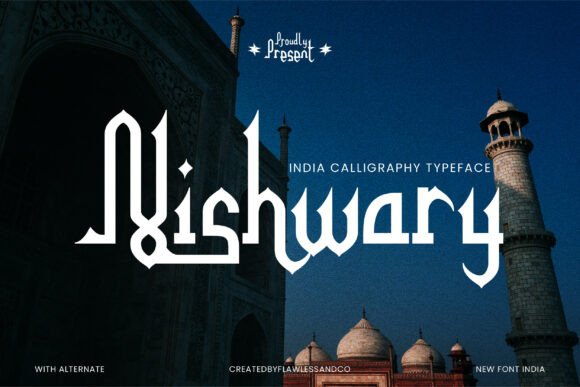
In a digital landscape where visual identity plays a pivotal role, the choice of typography can define the emotional tone of a brand, event, or creative expression. Nishwary emerges as a compelling typeface that not only pays homage to India’s rich calligraphic heritage but also adapts to contemporary design needs. As an India Calligraphy Typeface, it merges the elegance of traditional Indian scripts with the boldness of gothic design elements, offering a unique visual language that resonates across cultures and contexts.
The Cultural Roots of Nishwary
Typography is more than just letters on a page—it’s a reflection of history, identity, and artistic evolution. Nishwary draws inspiration from ancient Indian scripts such as Sharad, Nandinagari, and early Devanagari forms, which were once meticulously hand-crafted by scribes and artisans. These scripts were often used in royal decrees, religious texts, and ceremonial invitations—settings where visual impact and cultural significance were paramount.
What makes Nishwary stand out is how it preserves the ornamental richness of these historical scripts while incorporating modern design sensibilities. The sharp, deliberate strokes and decorative flourishes evoke a sense of gravitas and celebration, making it ideal for cultural events, luxury branding, and artistic storytelling. It’s a typeface that feels both timeless and timely, rooted in tradition yet ready for digital expression.
Why Nishwary Resonates in Today’s Design Landscape
In recent years, there has been a growing demand for typefaces that reflect cultural authenticity and regional identity. Designers, marketers, and brand strategists are increasingly seeking fonts that go beyond Western-centric aesthetics to create more inclusive and meaningful visual narratives. Nishwary answers this need by offering a typographic solution that is distinctly Indian in character, yet versatile enough for global applications.
With the rise of digital content creation, social media branding, and cross-cultural marketing, visual differentiation has become more important than ever. Nishwary’s ceremonial charm and ornate structure provide a unique edge, especially for creative professionals working in branding, packaging, editorial design, and digital illustration. Its alternate characters and ligatures allow for customization, enabling designers to craft distinct typographic expressions tailored to their audience and purpose.
Practical Applications Across Industries
Whether you're a freelance designer, a small business owner, or a creative agency, Nishwary offers practical value across a range of use cases. Here are a few real-world applications where this typeface shines:
- Wedding and Event Invitations: The ornamental details and ceremonial tone of Nishwary make it a natural fit for wedding cards, festival posters, and cultural event promotions.
- Brand Identity and Packaging: From artisanal tea labels to boutique fashion tags, Nishwary adds a touch of elegance and cultural depth to product packaging and brand collateral.
- Editorial and Digital Illustration: Content creators and illustrators can use Nishwary to enhance the visual storytelling aspect of their work, especially when focusing on Indian mythology, heritage, or folklore.
- UI/UX Design: While not typically used for body text, Nishwary can be strategically applied in app or website headers to evoke a sense of cultural richness and emotional connection.
Its versatility also extends to multilingual design projects, where Nishwary can be paired with Latin-based fonts to create a harmonious yet contrasting typographic hierarchy. This flexibility supports a more inclusive design approach, especially for brands aiming to connect with diverse audiences in India and beyond.
Evolving Trends in Typographic Expression
The design world is shifting toward more expressive and culturally rooted typography. This trend is fueled by a growing appreciation for craftsmanship, heritage, and authenticity in visual communication. Consumers are becoming more discerning—they expect brands to reflect values and stories that go beyond aesthetics. Typography like Nishwary plays a crucial role in meeting this demand by offering a visual voice that is both meaningful and memorable.
Moreover, as remote work and digital collaboration become the norm, designers are seeking tools and assets that allow for creative freedom and cultural expression. Nishwary fits into this evolving workflow by offering downloadable font files with easy integration into popular design platforms such as Adobe Creative Suite, Figma, and Canva. This accessibility ensures that even non-designers can incorporate its unique style into their visual content with minimal effort.
Designing with Nishwary: Tips and Best Practices
To get the most out of Nishwary, it’s important to consider how it interacts with other design elements. Here are a few practical recommendations:
- Use it for Display Purposes: Nishwary is best suited for headlines, logos, and short text blocks rather than long paragraphs due to its intricate detailing.
- Pair with Simpler Fonts: For contrast and readability, pair Nishwary with clean sans-serif or serif fonts like Helvetica, Garamond, or even regional typefaces that complement its style.
- Experiment with Alternates: Take advantage of the alternate characters and ligatures to create unique letter combinations that enhance the overall design.
- Consider Color and Background: Nishwary’s ornamental strokes stand out best against neutral or textured backgrounds. Avoid overly busy designs that might distract from its elegance.
These practices help ensure that Nishwary remains a functional and impactful design choice, not just a stylistic flourish. The goal is to use it thoughtfully, enhancing the message rather than overshadowing it.
The Future of Indian Calligraphy in Digital Design
As global design trends continue to embrace cultural diversity and authenticity, typefaces like Nishwary are likely to gain even more traction. The increasing demand for localized design assets, especially from Indian and South Asian markets, means that there’s a growing audience for fonts that reflect regional identity and artistic heritage.
At the same time, advancements in variable fonts, AI-assisted design tools, and cross-platform compatibility are making it easier than ever to experiment with custom typography. Nishwary, with its blend of tradition and modernity, serves as a model for how cultural typefaces can evolve alongside technological progress without losing their soul.
Looking ahead, we can expect to see more hybrid typefaces that bridge cultural aesthetics with contemporary design principles. Nishwary is part of this movement, offering a glimpse into how typography can be both a vessel for heritage and a tool for innovation.