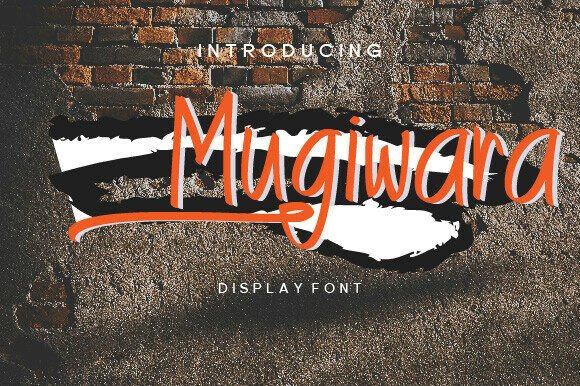
Mugiwara: A Luxurious Display Brush Font for High-End Design Projects
What Is Mugiwara?
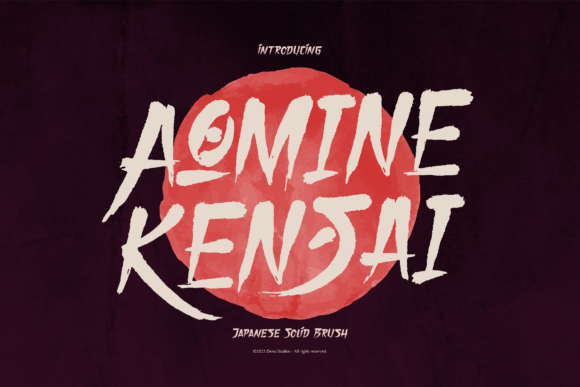
Mugiwara is a display brush font designed to elevate visual projects with its elegant, hand-brushed strokes. It combines the organic flow of calligraphy with a modern aesthetic, making it a versatile choice for designers aiming to convey sophistication and luxury. Whether used in branding, packaging, or print media, Mugiwara brings a refined visual appeal that stands out without overwhelming the overall design.
Why Consider Mugiwara for Your Design Projects?
Designers often seek typefaces that not only communicate a message but also enhance the emotional impact of a visual composition. Mugiwara achieves this by blending artistic flair with a clean, readable structure. Its brush-style appearance mimics the texture and movement of real ink strokes, which can evoke a sense of craftsmanship and exclusivity.
For creatives working on high-end branding or luxury product packaging, Mugiwara offers a way to differentiate their work in a competitive market. It’s especially effective when the goal is to create a memorable visual identity that resonates with discerning audiences.
Key Benefits of Using Mugiwara
- Versatile Application: Mugiwara performs well across a wide range of design formats, including logos, posters, book covers, and product packaging.
- Luxurious Aesthetic: Its elegant strokes naturally convey a sense of opulence, making it ideal for upscale branding initiatives.
- Readability with Style: Despite its decorative appearance, Mugiwara maintains clarity and legibility, even in medium-sized text.
- Emotional Resonance: The brush texture adds a human touch, helping brands connect with audiences on a more personal level.
Considerations and Tradeoffs
While Mugiwara excels in certain design contexts, it may not be suitable for every project. As a display font, it's best used for headlines, titles, or short text blocks rather than long-form content. Overuse or improper application can lead to visual clutter or reduced readability.
Additionally, its luxurious style may not align with minimalist or utilitarian design themes. Designers should also be aware that the brush texture may vary in appearance depending on the output medium—digital screens versus print, for example—requiring careful testing for consistency.
When Mugiwara Is a Strong Fit
Mugiwara shines in design scenarios where elegance and artistic expression are key. It works particularly well in the following applications:
- Brand Identity: For luxury brands, boutique businesses, or creative professionals looking to establish a distinctive visual voice.
- Product Packaging: Adds a premium touch to labels, gift tags, and packaging for fashion, beauty, or lifestyle products.
- Print and Merchandise Design: Ideal for posters, greeting cards, name cards, and lifestyle merchandise like mugs, t-shirts, and shopping bags.
- Editorial and Artistic Projects: Enhances book covers, quote illustrations, and art prints where typography plays a central role.
When Alternatives May Be Worth Exploring
If your design requires a more neutral or functional typographic style, you may want to explore other font categories such as sans-serif, serif, or script fonts that prioritize clarity and uniformity. For example, if you're designing a technical document, user interface, or minimalist website, a cleaner, more structured typeface may be more appropriate.
Additionally, if your project involves multilingual content, it’s important to verify that Mugiwara supports all necessary character sets. Some decorative fonts may lack extended language support, which could limit their usability in international contexts.
Practical Insights for Choosing Mugiwara
When evaluating Mugiwara for your project, consider the following factors:
- Project Tone: Does your design aim to evoke sophistication, artistry, or exclusivity? If so, Mugiwara could be an excellent match.
- Usage Context: Will the font be used primarily in headlines, logos, or short-form text? Mugiwara is best suited for these applications rather than body text.
- Medium and Output: Test the font in both digital and print formats to ensure it renders well across different platforms and resolutions.
- Pairing Potential: Consider how Mugiwara complements other fonts in your design. It pairs well with clean sans-serif or serif fonts, creating a balanced visual hierarchy.
How to Get the Most Out of Mugiwara
To maximize the impact of Mugiwara, use it intentionally and sparingly. It performs best when used as a focal point rather than a background element. Here are a few tips:
- Use it for headlines, titles, or quotes where you want to draw attention.
- Pair it with simpler fonts to maintain readability and visual balance.
- Experiment with color and texture overlays to enhance its brushstroke character.
- Consider using it in watermarks or background motifs for a subtle yet luxurious effect.
Final Thoughts: Is Mugiwara Right for You?
Mugiwara is a compelling choice for designers who want to infuse their work with a sense of luxury and artistic depth. Its elegant brush strokes make it a standout option for branding, packaging, and creative design projects. However, like any design tool, its effectiveness depends on how well it aligns with your specific goals, audience, and context.
If your project calls for a touch of sophistication and you’re working within a visual medium that benefits from expressive typography, Mugiwara is definitely worth considering. On the other hand, if your design requires neutrality, simplicity, or extensive text usage, exploring alternative fonts may be a more practical approach.