Iron Press Font: A Rustic Touch for Modern Creativity
Rediscovering the Charm of Typewriter Typography
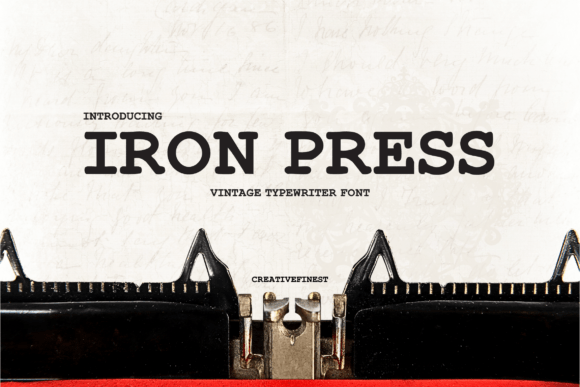
Iron Press is more than just a font — it's a journey back in time. Inspired by the mechanical precision and weathered character of vintage typewriters, this font brings a sense of history and tactile authenticity to digital design. Whether you're crafting a personal blog post or branding a small business, Iron Press adds a layer of visual storytelling that's hard to replicate with cleaner, more modern typefaces.
What sets Iron Press apart is its textured, slightly uneven letterforms. These imperfections aren't flaws — they're features. The font mimics the look of ink pressed unevenly onto paper, with subtle inconsistencies that evoke the handmade feel of old documents. This makes it ideal for projects that benefit from a nostalgic or artisanal aesthetic, without feeling forced or overly retro.
Why Different People Choose Iron Press
Design preferences vary widely, and Iron Press appeals to a broad range of users for different reasons. For some, it's a tool for evoking emotion. For others, it's a way to stand out visually in a crowded digital space. Here's how different audiences might approach this distinctive typeface:
- Beginners may find it a fun and expressive font to experiment with, especially when learning about typography and visual hierarchy.
- Professional designers might use it sparingly for headlines or branding elements where character and warmth are needed.
- Entrepreneurs and marketers can leverage its nostalgic appeal to create memorable brand identities or promotional materials.
- Bloggers and content creators may use it to give their visuals a personal, handwritten touch that stands out in social media feeds.
- Educators could incorporate it into handouts or presentations to create a sense of history or to engage students visually.
- Hobbyists and DIYers enjoy using Iron Press in personal projects like wedding invitations, posters, or scrapbooks due to its warm, tactile feel.
How to Use Iron Press Effectively
Like any stylized font, Iron Press works best when used thoughtfully. Its worn, textured appearance makes it ideal for short bursts of text — headlines, logos, quotes, or call-out boxes. It’s not typically suited for long blocks of body copy due to its lower readability at smaller sizes.
Here are a few practical examples of how different users might incorporate Iron Press into their work:
- A freelance writer uses Iron Press for blog post titles to give their website a distinctive voice and visual identity.
- A small business owner integrates the font into packaging labels or product tags to create a handcrafted, boutique feel.
- An educator applies it to classroom posters or project titles to make learning materials more visually engaging for students.
- A graphic designer layers it over clean, minimalist layouts to create contrast and emotional depth in branding projects.
- A wedding planner recommends it for save-the-date cards or invitation suites that aim for a timeless, romantic look.
Considering Cost, Quality, and Compatibility
When evaluating a font like Iron Press, it's important to consider not just its visual appeal, but also how it fits into your workflow and project requirements. Many font marketplaces offer different licensing options, so be sure to check whether a given version supports commercial use, web embedding, or multilingual characters.
Beginners and casual users might prioritize ease of access and affordability, while professionals may focus more on technical quality, such as kerning, ligatures, and format support (like OTF or WOFF). Iron Press is often available in both free and premium versions, allowing users to choose based on their specific needs and budget.
Does Iron Press Fit Your Project?
Not every font works for every purpose, and Iron Press is no exception. It shines brightest in contexts where character and emotional resonance are key. If you're aiming for a sleek, corporate look, this font might feel out of place. But if you want to convey authenticity, history, or craftsmanship, it could be just what your design needs.
Ask yourself these questions to determine if Iron Press is right for your next project:
- Does your project benefit from a vintage or handwritten aesthetic?
- Are you using the font for short-form text like headlines, quotes, or logos?
- Do you need a font that adds visual interest without being overly decorative?
- Will the font be used in print, digital, or both — and does the version you're considering support those formats?
- Is there a budget or licensing requirement you need to meet?
Final Thoughts: A Font with Personality
In a world full of sleek, minimalist typefaces, Iron Press stands out by embracing the imperfections of the past. It’s not just a font — it’s a storytelling tool. Whether you're a hobbyist creating greeting cards or a professional designer crafting a brand identity, Iron Press offers a unique blend of nostalgia and modern usability.
Its textured, worn look adds depth and emotion to visual projects, making it a favorite among those who want to create something memorable and human. By understanding your own goals, audience, and design context, you can decide whether Iron Press is the right choice — and how to use it to its fullest potential.