How Mister Chicken Can Elevate Your Design Strategy
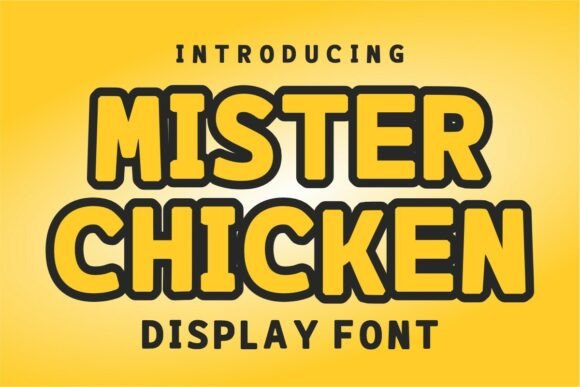
Choosing the right font is more than a design detail—it's a strategic decision. Mister Chicken, a cute, simple, and friendly display font, offers more than just visual appeal. Its informal style and casual vibe make it a versatile tool for creators who want to inject warmth and accessibility into their work. Whether you're designing product packaging, invitations, quotes, t-shirts, labels, posters, or logos, Mister Chicken can help shape the emotional tone of your message.
But like any design element, its power lies in how intentionally you use it. Thoughtful application of Mister Chicken can support your broader goals, from brand positioning to customer experience. The key is understanding when and how to use it to reinforce your message rather than distract from it.
Why Mister Chicken Works for Strategic Design
In today's competitive creative landscape, differentiation matters. Mister Chicken stands out not because it's complex, but because it's approachable. That accessibility is a strategic asset when your goal is to create an emotional connection with your audience. It's particularly effective when you want to communicate simplicity, friendliness, or a laid-back tone.
Consider the psychology of typography: fonts shape perception. Mister Chicken's rounded edges and playful character suggest openness and warmth. This makes it ideal for brands or messages that want to feel less formal and more human. When used correctly, it can help your design feel more relatable—especially to younger audiences or those in casual markets.
When to Use Mister Chicken for Maximum Impact
Mister Chicken excels in contexts where a relaxed, personable tone is desired. Think of it as your go-to font for projects that aim to feel less corporate and more personal. Here are some practical use cases:
- Product packaging – Especially for artisanal, handmade, or lifestyle brands that want to feel approachable.
- Invitations – Whether for birthdays, baby showers, or informal events, Mister Chicken adds a touch of whimsy.
- Quotes and social media graphics – It enhances shareability by making content feel more conversational.
- T-shirt designs – Perfect for brands or creators who want to appeal to a younger, casual demographic.
- Logos – For startups or side-hustles that want to project a friendly, non-intimidating brand identity.
However, context is key. If your brand leans toward professionalism, authority, or formality, Mister Chicken may not align with your positioning. Use it where it supports your message, not where it undermines it.
How to Approach Using Mister Chicken Intentionally
Design isn't just about aesthetics—it's about communication. To use Mister Chicken effectively, consider the following:
- Define your goal – What do you want this design to achieve? If it's about creating a warm, welcoming impression, Mister Chicken is a strong fit.
- Know your audience – Will they respond positively to a casual, playful font? If so, go ahead. If not, reconsider.
- Balance with other elements – Pair Mister Chicken with cleaner, more structured fonts to maintain visual hierarchy and readability.
- Limit usage – It's best used for headlines or short text blocks. Avoid long paragraphs, as its informal style may reduce legibility in extended text.
Strategic Considerations Before Using Mister Chicken
Before incorporating Mister Chicken into your design, ask yourself a few strategic questions:
- Does this font support the brand's tone and personality?
- Is the message casual, lighthearted, or emotionally driven?
- Will this font help me connect with my audience more effectively?
- Am I using it consistently across touchpoints, or is it a one-off choice?
These questions help ensure that your choice of font aligns with your broader creative and business strategy. Mister Chicken isn't just a design tool—it's a communication tool. Use it with intention.
What Happens When You Use Mister Chicken Without Strategy?
Using any font without considering its impact can lead to mixed messaging or a disjointed brand identity. Mister Chicken, while charming, can come across as unprofessional or immature if used in the wrong context. For example, using it in a legal document or corporate presentation might confuse your audience or dilute your authority.
Additionally, overuse can diminish its impact. If everything in your design uses Mister Chicken, it loses its ability to highlight or differentiate. Think of it as a supporting actor—most effective when used in the right moments.
How Mister Chicken Supports Creativity and Productivity
Creativity thrives on constraints. Knowing that Mister Chicken works best in short bursts or informal contexts can actually fuel your creativity. It encourages you to be more intentional with your design choices and to think critically about how each element contributes to the overall message.
From a productivity standpoint, having a go-to font for specific use cases can streamline your workflow. When you know which fonts work for which purposes, you spend less time searching and more time creating. Mister Chicken can become part of your design toolkit, helping you make faster, more confident decisions.
Long-Term Value of Thoughtful Font Choices
Typography is one of the most subtle yet powerful tools in branding and communication. Fonts like Mister Chicken can help you build a consistent visual identity that resonates with your audience over time. Consistency breeds recognition, and recognition builds trust.
When used strategically, Mister Chicken can become a signature element of your brand. It's not just about looking good—it's about creating a cohesive experience that reinforces your message at every touchpoint.
Final Thoughts: Using Mister Chicken with Purpose
Mister Chicken offers a unique blend of charm and usability that makes it a valuable asset in the right context. Its informal style and friendly vibe make it ideal for projects that require a relaxed, personable tone. But like any design tool, its effectiveness depends on how thoughtfully you use it.
Use Mister Chicken to support your goals, not just to fill space. Align it with your brand personality, audience expectations, and messaging needs. And most importantly, treat it as part of your strategic toolkit—because great design is never accidental. It's the result of intentional, informed choices that serve a larger purpose.