Haunted Dracula: A Strategic Choice for Halloween-Themed Design Projects
When it comes to creating visually compelling Halloween content, the choice of typography can make or break the overall impact. Haunted Dracula emerges as a standout option for designers and creators seeking a font that balances boldness with a playful, eerie charm. Inspired by vintage horror movie posters and classic Halloween aesthetics, this typeface is more than just a seasonal novelty—it's a strategic design tool that supports branding, communication, and audience engagement when used with intention.
Understanding the Value of Haunted Dracula
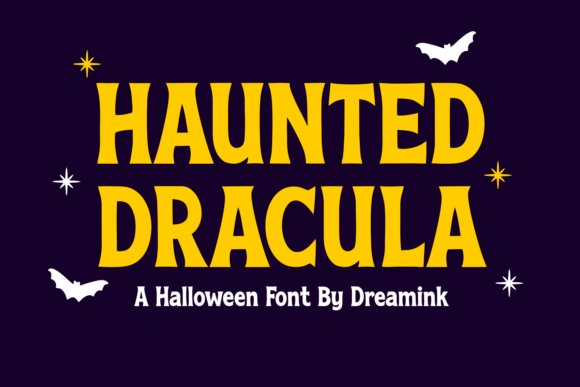
Haunted Dracula is a display font designed with Halloween in mind, but its utility extends beyond simple decoration. Its sharp curves, exaggerated serifs, and whimsical structure make it highly readable even at a distance, which is crucial for signage, posters, and product packaging. The font’s boldness ensures it grabs attention, while its quirky elements add personality and memorability—key traits for branding and marketing materials.
For entrepreneurs and marketers launching seasonal campaigns, the font offers a ready-made visual identity that aligns with Halloween themes without requiring extensive design work. Educators and content creators can use it to craft engaging materials for themed lessons or digital content. The key is to recognize that Haunted Dracula isn't just a font—it's a design decision that can influence how your message is received and remembered.
When and How to Use Haunted Dracula Strategically
Integrating Haunted Dracula into your design projects should be based on clear goals and context. It excels in situations where visual impact and thematic relevance are paramount. Here are some practical use cases:
- Party Invitations: Stand out in a crowded inbox or mailbox with a bold, thematic design that immediately conveys the event’s tone.
- Merchandise and Apparel: From t-shirts to mugs, the font adds character and seasonality to product designs, helping drive seasonal sales.
- Haunted House Signage: Its legibility from a distance makes it ideal for directional signs, warnings, and promotional banners.
- Digital Content: Blog headers, social media graphics, and email subject lines benefit from its eye-catching style.
However, strategic use means understanding the limitations. Haunted Dracula works best as a headline or accent font. Attempting to use it for long-form body text can compromise readability and user experience. Instead, pair it with simpler, more legible fonts to create visual hierarchy and balance.
Planning for Effective Implementation
Before incorporating Haunted Dracula into your project, consider the following planning steps:
- Define the Goal: Is the font being used to evoke nostalgia, create a playful tone, or emphasize seasonal relevance? Clarify the emotional or thematic response you want to elicit.
- Assess the Audience: Does your target demographic respond to bold, vintage-inspired design? Younger audiences may find it nostalgic, while older audiences may appreciate its classic horror roots.
- Test for Legibility: Ensure the font remains readable across different platforms and devices, especially if it will be used digitally.
- Evaluate Brand Consistency: If using the font as part of an ongoing brand identity, ensure it aligns with your visual language and doesn't clash with existing assets.
By approaching the font as a strategic asset rather than a decorative choice, you can ensure it supports your broader communication and branding goals rather than undermining them.
Risks of Misuse and How to Avoid Them
One of the most common pitfalls of using thematic fonts like Haunted Dracula is overuse or inappropriate application. Designers may be tempted to incorporate the font into every element of a project, diluting its impact and potentially confusing the audience. Additionally, using the font without a clear thematic or strategic purpose can make a design feel random or unprofessional.
To avoid these issues, consider the following:
- Use Sparingly: Reserve Haunted Dracula for headlines, titles, and key visual elements where attention is needed.
- Maintain Balance: Pair it with neutral or complementary fonts to maintain visual harmony and readability.
- Align with Purpose: Only use it when it supports the message, tone, or theme of the project—never just for the sake of trendiness.
These precautions help ensure that your use of the font is intentional and enhances, rather than detracts from, your overall design strategy.
Long-Term Benefits of Thoughtful Typography Choices
In the broader context of design and branding, thoughtful font selection contributes to long-term brand recognition and audience trust. When Haunted Dracula is used consistently within a seasonal campaign or recurring event, it becomes part of a visual language that audiences come to associate with your brand. This consistency builds familiarity, which in turn strengthens customer experience and loyalty.
Additionally, using a font like Haunted Dracula with a clear understanding of its strengths and limitations can improve your overall design efficiency. You’ll spend less time experimenting with mismatched typefaces and more time refining the message and visuals that truly matter to your audience.
Conclusion: Designing with Intention
Haunted Dracula is more than a seasonal font—it’s a tool for strategic visual communication. Whether you're designing invitations, merchandise, or digital content, this font offers a compelling blend of readability, personality, and thematic relevance. But like any design element, its effectiveness depends on how thoughtfully and intentionally it's used.
By aligning its use with your goals, testing its application, and avoiding common pitfalls, you can ensure that your Halloween-themed projects stand out—not just for their style, but for their strategic clarity and impact.