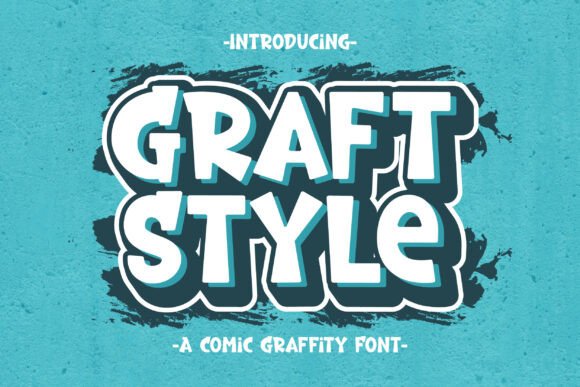
Graft Style: A Vibrating Cartoon Graffiti Font for Creative Branding
Why Graft Style Stands Out in Design Projects
When it comes to making a visual impact, the choice of font can make or break a design. Graft Style enters the scene as a bold and expressive cartoon graffiti font that blends the edginess of street art with the playful charm of cartoons. It’s more than just a typeface—it’s a statement. Whether you're designing a logo, packaging, or promotional poster, Graft Style brings a unique personality that helps your brand stand out in a crowded marketplace.
Designers and business owners alike are drawn to Graft Style for its versatility. It’s not limited to just one niche or application. From comic book covers to product labels, this font adapts well to a variety of creative needs. However, like any design tool, it requires thoughtful use to achieve the best results.
Common Mistakes When Using Graft Style
One of the most frequent missteps is treating Graft Style like a generic font. Because of its energetic and stylized appearance, it’s easy to overuse or apply it in contexts where clarity and professionalism are more important than flair. For example, using it in long-form body text or formal business documents can lead to readability issues and a mismatched tone.
Another common oversight is ignoring the font's licensing terms. Some users download or purchase Graft Style without verifying whether the license covers their intended use—especially for commercial applications like packaging or advertising. This can lead to legal complications or unexpected costs down the line.
How These Mistakes Affect Your Project
Choosing the wrong font for the wrong context can undermine your message. If you use Graft Style in a professional report or a minimalist website, it might come across as unprofessional or jarring. Similarly, using it in small sizes without considering spacing or contrast can make text hard to read, especially for viewers with visual impairments.
On the business side, misinterpreting licensing agreements can lead to delays, redesigns, or even legal disputes. It’s not uncommon for designers to unknowingly use a font in a way that violates its usage rights, especially when working across multiple platforms or with third-party vendors.
How to Avoid These Pitfalls
Start by understanding the context of your design. Ask yourself: Is this font enhancing the message or distracting from it? If you're aiming for a youthful, creative vibe, Graft Style is a great fit. But if you're designing for a conservative or formal audience, you may want to pair it with a more traditional typeface or use it sparingly as an accent.
Always check the licensing details before downloading or purchasing. Most reputable font providers clearly outline usage rights, including whether the font can be used for commercial, web, or print purposes. If in doubt, reach out to the provider or consider purchasing an extended license if you plan to use the font in multiple ways.
Realistic Examples and Better Approaches
Imagine you're designing a logo for a new comic book store. Using Graft Style as the main text gives it a dynamic, street-art-inspired look that resonates with fans. However, if you're designing a company newsletter, using the same font for headlines and body text would make it difficult to read. A better approach would be to use Graft Style for the newsletter's title or featured article headers while opting for a clean sans-serif font for the body copy.
Another example: a small business owner wants to use Graft Style on product packaging for a new line of energy drinks. While the font adds visual punch, it's important to test how it appears in different sizes and materials. If the letters become too crowded or lose clarity on a small label, consider adjusting the spacing or using a simplified version of the font for secondary text.
What to Check Before Using Graft Style
Before incorporating Graft Style into your project, evaluate the following:
- Readability: Does the font remain legible at different sizes and on various backgrounds?
- Context: Does the font align with the tone and purpose of your design?
- Licensing: Are you allowed to use the font for your intended application, including commercial use or digital platforms?
- Compatibility: How does the font pair with other typefaces and visual elements in your design?
It’s also wise to test the font in mockups or prototypes before finalizing your design. Seeing how Graft Style looks in a real-world setting—like on a poster, website header, or product label—can help you make more informed decisions.
Final Thoughts: Making the Most of Graft Style
Graft Style offers a powerful way to inject personality and creativity into your branding and design work. But like any tool, it’s most effective when used with intention and awareness. By avoiding common mistakes—such as misjudging context, overlooking licensing, or underestimating readability—you can ensure that your designs not only look great but also communicate your message clearly and professionally.
If you're looking for a font that bridges the gap between street art and modern design, Graft Style is a compelling choice. Just remember to pair it with thoughtful design practices to get the most out of its vibrant, graffiti-inspired character.