Embracing Tradition with Modern Flair: The Rise of Noka Regular in Design and Branding
In an era where digital aesthetics dominate, there's a growing appreciation for design elements that carry the weight of tradition and the authenticity of handcrafted artistry. Enter Noka Regular, a distinctive typeface that draws its essence from the centuries-old Japanese calligraphy style known as shodō. This font is not just a typographic choice—it's a cultural statement, a visual bridge between heritage and modernity.
What Is Noka Regular?
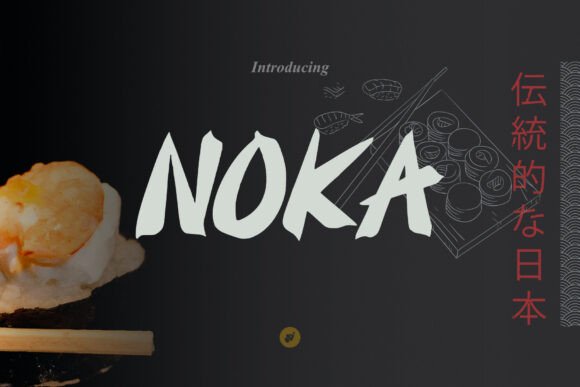
Noka Regular is a brush-style font meticulously crafted to reflect the bold, expressive strokes of traditional Japanese calligraphy. Unlike standard digital fonts, Noka Regular retains the organic imperfections and fluid motion of ink on paper, giving it a uniquely human touch. Its thick, dynamic letterforms are hand-rendered, which means each character carries a sense of movement, strength, and intention—hallmarks of shodō.
This font is more than a stylistic flourish. It's a tool for designers, marketers, and brand creators to convey authenticity, cultural depth, and visual impact. Whether used in a logo, product packaging, or event poster, Noka Regular commands attention and evokes a sense of timeless elegance.
The Cultural Resonance of Japanese Calligraphy in Modern Design
The influence of Japanese aesthetics in global design is not new. From minimalism to wabi-sabi, Japanese design principles have long inspired creators across disciplines. However, the recent surge in interest in culturally rooted typography marks a shift in how brands approach identity and storytelling.
In a market saturated with sleek, minimalist fonts, there's a growing demand for typefaces that carry emotional depth and cultural significance. This is where Noka Regular shines. It offers a visual narrative that speaks to both tradition and innovation, appealing to audiences who value authenticity and craftsmanship.
Moreover, as global brands seek to connect with diverse audiences, there's a heightened awareness of the importance of cultural sensitivity and representation. Fonts like Noka Regular allow for meaningful engagement with Japanese culture without resorting to clichés or superficial references.
Why Noka Regular Is Gaining Attention
Several factors contribute to the rising popularity of Noka Regular:
- Visual Impact: Its bold, expressive strokes make it ideal for headlines, logos, and branding materials where standing out is essential.
- Cultural Depth: For brands looking to evoke a sense of heritage, especially in Japanese-themed contexts, this font offers an immediate and recognizable cultural connection.
- Handcrafted Authenticity: In a digital-first world, the imperfections and organic feel of Noka Regular resonate with audiences who appreciate artisanal and bespoke design.
- Versatility: While rooted in tradition, the font maintains a modern appeal, making it suitable for both cultural and contemporary applications.
Designers and entrepreneurs are increasingly recognizing the power of typography in shaping brand perception. A well-chosen font can influence how a message is received, how a brand is perceived, and even how consumers connect emotionally with a product or service.
Practical Applications for Noka Regular
Noka Regular is particularly well-suited for industries and projects that aim to blend tradition with modernity. Here are some practical examples:
- Japanese Restaurant Logos: Restaurants specializing in sushi, ramen, or izakaya-style dining can use Noka Regular to create a logo that feels authentic and inviting.
- Themed Souvenir Shops: Businesses selling Japanese-inspired merchandise—such as kimonos, tea sets, or decorative art—can incorporate the font into packaging and signage to reinforce cultural authenticity.
- Product Branding with Japanese Roots: Whether it's skincare, tea, or lifestyle products, brands that draw inspiration from Japanese traditions can use Noka Regular to communicate heritage and quality.
- Event Posters and Cultural Promotions: Festivals, exhibitions, and performances centered around Japanese culture benefit from the font’s expressive nature, helping to create visually compelling promotional materials.
Its versatility also makes it a strong candidate for digital use, from social media graphics to website headers. Designers can pair it with simpler sans-serif fonts to create a balanced and modern typographic hierarchy.
Meeting the Evolving Needs of Designers and Brands
As consumer expectations evolve, so too do the tools and aesthetics that designers use to meet them. Today’s audiences are more informed, more visually literate, and more attuned to the values behind a brand. They seek authenticity, sustainability, and cultural respect in the products and services they choose.
Noka Regular aligns perfectly with these values. It’s not just a font—it’s a symbol of cultural appreciation done right. It allows brands to connect with Japanese culture in a meaningful way, rather than merely borrowing aesthetic elements without context.
Moreover, as remote work and digital entrepreneurship continue to rise, independent creators and small business owners are increasingly responsible for their own branding. Accessible, high-quality design tools and assets like Noka Regular empower them to craft professional, emotionally resonant identities without the need for a full design team.
Connecting to Larger Trends in Typography and Design
The popularity of Noka Regular reflects broader trends in the design industry:
- Return to Handcrafted Aesthetics: Amid the rise of AI-generated content and hyper-polished digital design, there’s a counter-movement toward organic, human-made visuals. Fonts with a hand-drawn or brush-painted look are increasingly favored for their warmth and personality.
- Cultural Storytelling Through Typography: Brands are using typography not just for legibility, but as a storytelling device. Fonts like Noka Regular help communicate heritage, values, and emotional tone.
- Globalization of Design Influences: As the design world becomes more interconnected, there’s a growing appreciation for diverse typographic traditions. Designers are exploring scripts from different cultures to create more inclusive and globally resonant work.
These trends underscore a shift toward more thoughtful, intentional design—one that prioritizes meaning, emotion, and cultural context alongside aesthetics and functionality.
Conclusion: A Font That Speaks Volumes
In a world where visual communication is more important than ever, Noka Regular stands out as a font that does more than just convey text—it tells a story. It speaks of tradition, craftsmanship, and cultural pride while fitting seamlessly into modern design workflows.
Whether you're a designer crafting a new brand identity, a marketer launching a product with Japanese roots, or a creative entrepreneur building a unique visual presence, Noka Regular offers a compelling way to differentiate your work and connect with your audience on a deeper level.
As the design industry continues to evolve, fonts like Noka Regular remind us that the most powerful designs are those that honor the past while embracing the future.