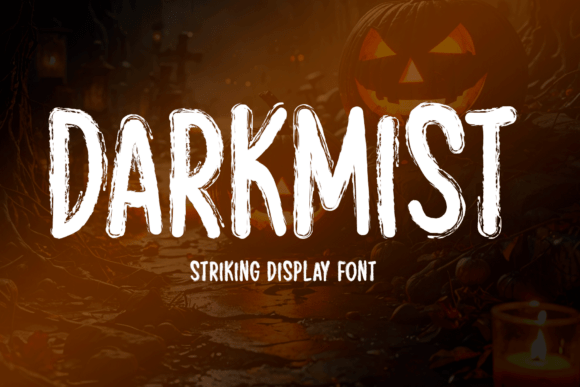
Darkmist: A Bold Display Font for Creative Projects
Darkmist is a distinctive display font designed to stand out. With its edgy and dramatic appearance, it’s crafted to draw attention and convey a sense of mystery and intensity. Unlike more neutral typefaces, Darkmist is intended for visual impact, making it a compelling choice for designers seeking to communicate boldness and originality through typography.
Understanding Darkmist’s Design and Purpose
As a display font, Darkmist is best suited for short bursts of text rather than long-form content. Its design emphasizes visual flair over readability at small sizes, which aligns with its intended use in headlines, logos, and other attention-grabbing applications. The font’s character outlines and stylistic details contribute to its unique aesthetic, setting it apart from more conventional fonts.
Darkmist supports a wide range of characters through PUA (Private Use Area) encoding, making it accessible across design platforms. This feature ensures that users can access all glyphs and special characters without compatibility issues, streamlining the creative process.
Why Designers Choose Darkmist
Designers often look for fonts that can elevate a project’s visual tone. Darkmist delivers a strong visual identity, making it particularly appealing for branding and media where mood and atmosphere play a key role. It works well in contexts that benefit from a dramatic or gothic aesthetic, such as:
- Music album covers
- Festival or event posters
- Urban or alternative brand logos
- Print and digital flyers
- Website headers and banners
Its versatility across media formats allows for consistent branding across both digital and physical materials. Whether used in a t-shirt print or a promotional poster, Darkmist maintains its visual strength and recognizability.
Benefits and Tradeoffs of Using Darkmist
One of the primary benefits of Darkmist is its ability to command attention. In a saturated visual landscape, standing out is often a priority, and this font delivers that impact effectively. Additionally, its PUA encoding ensures that special characters and ligatures are accessible without requiring advanced software knowledge.
However, like any display font, Darkmist has limitations. It is not optimized for body text or small-size applications where clarity and legibility are crucial. Using it in extended paragraphs or low-resolution settings may compromise readability and overall design quality.
Designers should also consider the tone of their project. While Darkmist excels in edgy, dramatic contexts, it may not be appropriate for more formal, minimalist, or clean-lined designs. Choosing the right font involves aligning its characteristics with the message and audience expectations.
When Darkmist Is a Strong Fit
Darkmist is particularly well-suited for projects that aim to evoke a sense of intrigue, boldness, or alternative style. It works effectively in:
- Branding for niche markets: Especially in industries like fashion, music, or entertainment where a strong visual identity is essential.
- Event promotion: Concerts, film screenings, or themed parties benefit from the font’s dramatic presence.
- Merchandise design: T-shirts, stickers, and posters gain visual appeal with Darkmist’s bold character.
- Website headers and banners: As a focal point in web design, it can enhance visual hierarchy and brand recognition.
These applications leverage the font’s strengths while avoiding its limitations, ensuring it enhances rather than hinders the overall design.
When Alternatives May Be Worth Considering
While Darkmist offers a unique aesthetic, there are scenarios where other fonts may be more appropriate. If a project requires:
- High readability in small sizes: Consider a clean sans-serif or serif font designed for body text.
- Minimalist or modern design: Sleeker fonts like Montserrat, Lato, or Playfair Display may align better with the desired tone.
- Multilingual support beyond standard Latin characters: Verify whether Darkmist includes the necessary glyphs or explore alternatives with broader language support.
Additionally, if the design needs to maintain a more approachable or professional tone, a less stylized font may be a better fit. Evaluating the context and intended message helps ensure the font choice supports the project’s goals effectively.
Making the Right Font Choice
Selecting a font like Darkmist involves more than just aesthetics—it’s about aligning typographic choices with the project’s purpose and audience. Key considerations include:
- Visual tone: Does the font reflect the mood and personality of the brand or message?
- Legibility: Will the text remain readable in the intended application and size?
- Consistency: Does the font work across different mediums and alongside other design elements?
- Accessibility: Can all characters be accessed easily, and is the font compatible with required software?
Designers should also test Darkmist in context before finalizing their choice. Previewing it in mockups or sample layouts helps assess how it performs visually and functionally within the broader design.
Final Thoughts on Darkmist
Darkmist is a compelling display font that brings a dramatic and memorable presence to creative projects. Its edgy design and PUA-encoded characters make it accessible and versatile for a range of visual applications. However, its effectiveness depends on thoughtful use within appropriate contexts.
For designers seeking a font that commands attention and conveys a bold, mysterious tone, Darkmist offers a strong option. When used strategically, it can elevate a design from ordinary to striking. However, it’s important to weigh its visual impact against practical considerations like readability and appropriateness for the intended audience.
In the end, the decision to use Darkmist comes down to whether its distinctive style aligns with the project’s objectives and visual language. By evaluating its strengths, limitations, and fit within the broader design strategy, creators can determine whether Darkmist is the right choice for their needs.